February 16, 2026
The shift from conventional appliances to connected systems represents a significant evolution in how homes operate, presenting both opportunities and challenges for homeowners. As smart technology continues to advance, it is important to understand how these innovations affect durability, maintenance requirements, and service expectations. With greater insight, homeowners can make informed decisions and better understand when the involvement of an appliance repairman can be necessary to maintain performance and reliability.
Defining Smart Appliances
Smart appliances are household devices equipped with advanced technology that enables automation, monitoring, and connectivity. These appliances often include remote-control capabilities through mobile applications, allowing users to manage functions with greater convenience. This level of connectivity enhances daily routines and provides real-time insights into appliance operation, though it also introduces new technical complexities that may require attention from an experienced appliance repairman.
Smart appliances come in a wide range of categories designed to address specific household needs. Smart refrigerators may track food inventory and suggest recipes, while smart washing machines offer programmable cycles and usage analytics. Ovens and ranges with smart capabilities allow remote monitoring, and smart dishwashers focus on efficiency and performance optimization. Each category introduces features that increase functionality while relying on interconnected systems that may require specialized service from an appliance repairman when issues arise.
The appeal of smart appliances lies in convenience, efficiency, and enhanced control. Remote access allows homeowners to manage appliances regardless of location, supporting busy lifestyles. Energy efficiency and sustainability further add to their value, aligning with growing environmental awareness. Integration with broader smart home ecosystems also increases their appeal to tech-savvy consumers who value seamless connectivity and intelligent automation.
Examining the Impact on Repair Needs
Smart appliances are designed with self-diagnostic features that distinguish them from traditional models. These systems can detect irregular behavior and alert users before problems escalate. Early detection allows homeowners to schedule service proactively, often involving an appliance repairman before significant failures occur. Despite these advancements, a substantial percentage of homeowners still experience appliance issues annually, reinforcing the importance of effective diagnostics and timely professional intervention.
Remote troubleshooting represents another significant shift in repair processes. Manufacturers can often assess issues remotely, reducing the need for immediate on-site visits. This capability shortens resolution times and limits disruption to household routines. In many cases, guidance provided remotely can stabilize performance until an appliance repairman completes necessary service. This approach improves efficiency and enhances overall user satisfaction.
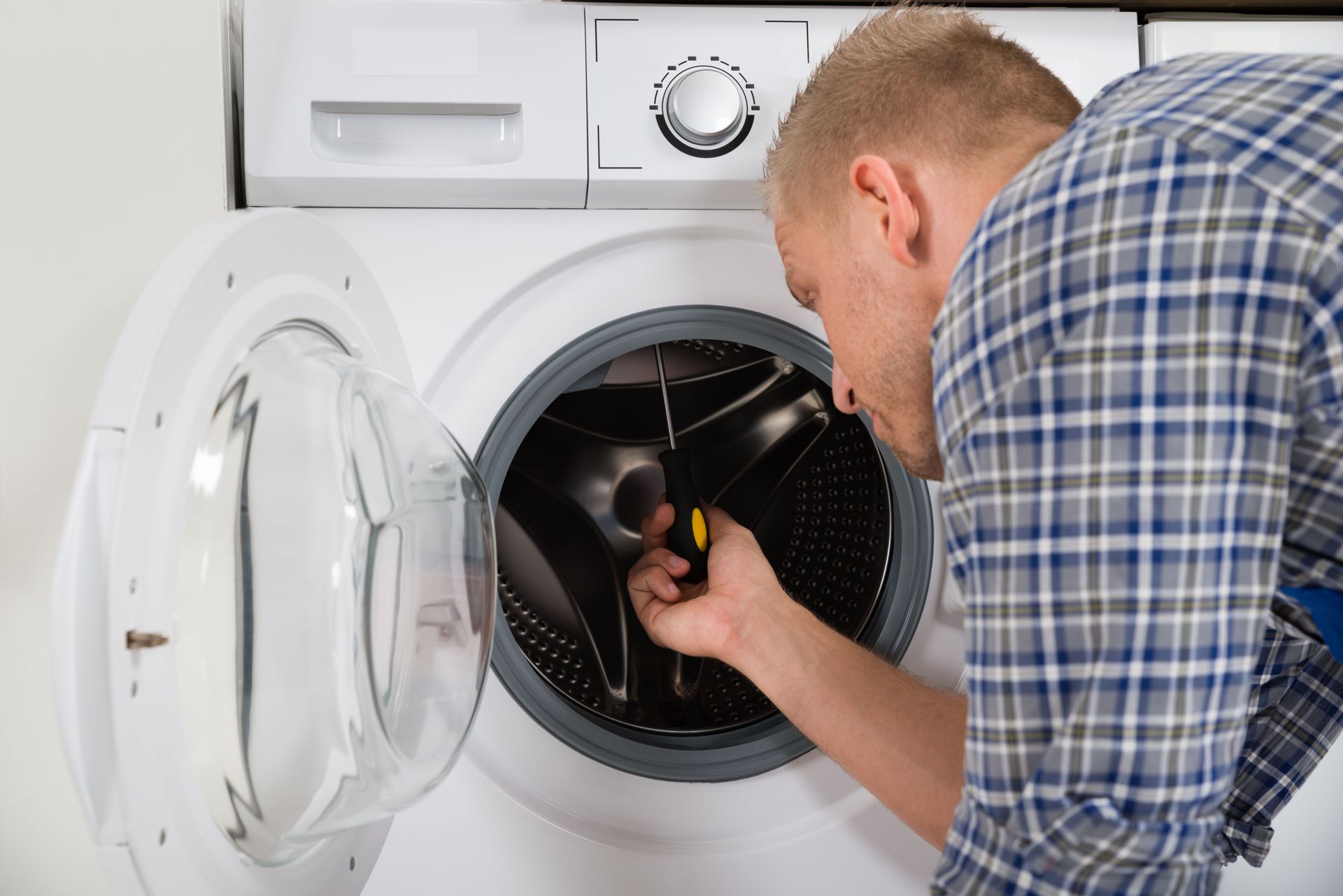
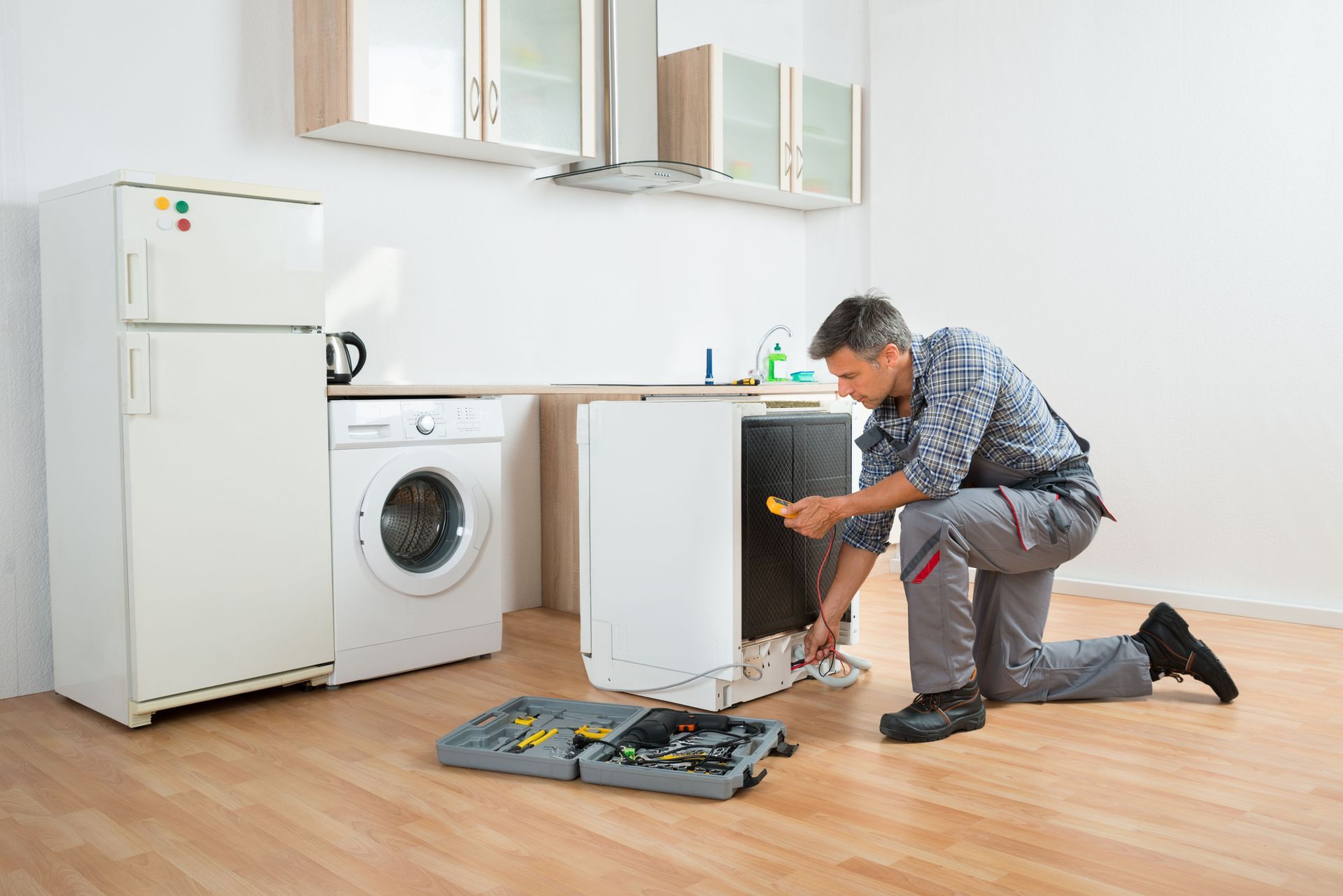
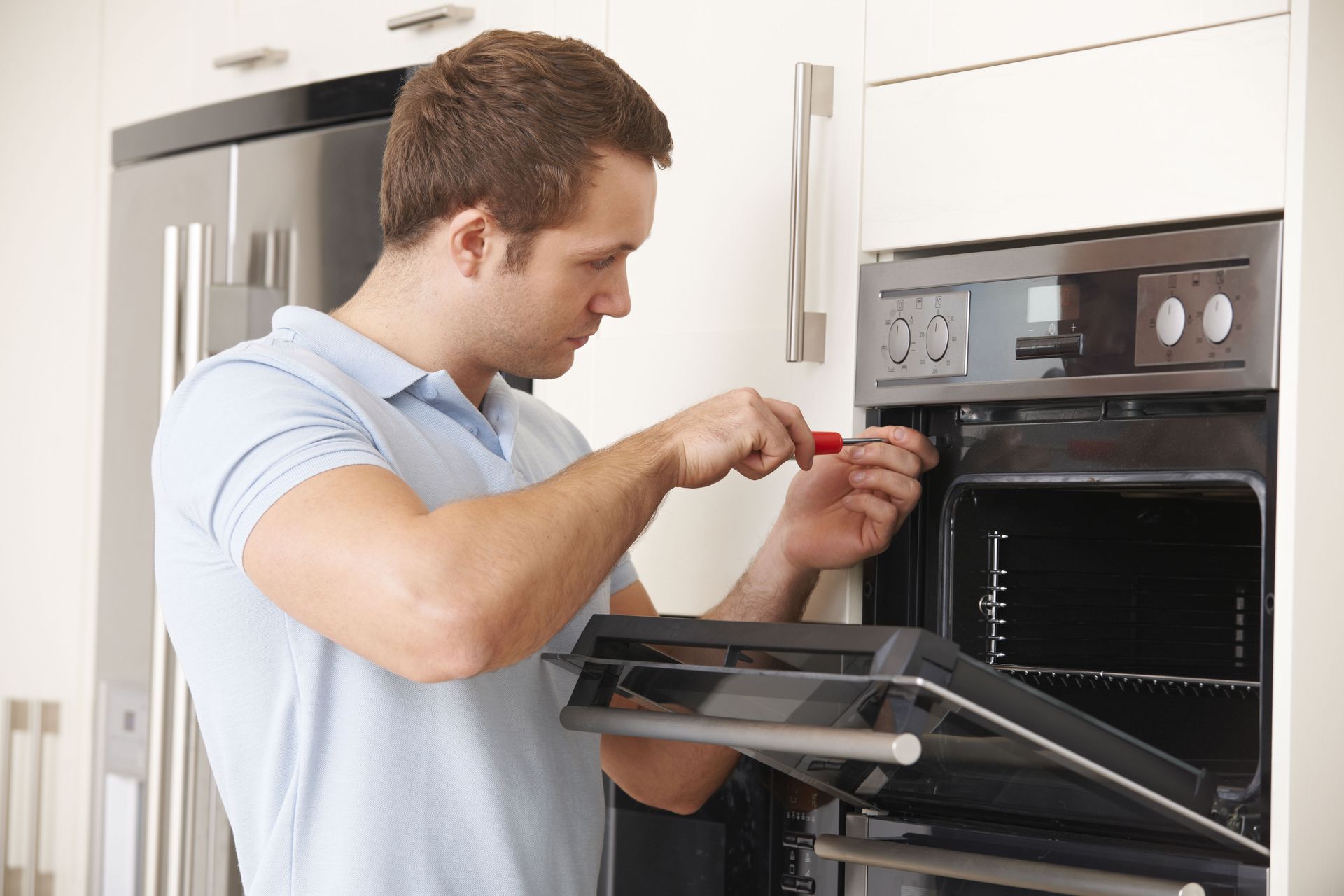
Even with advanced features, smart appliances are not immune to malfunctions. Software errors, connectivity disruptions, sensor failures, and interface problems are common concerns. While diagnostic systems identify many issues, complex repairs often require hands-on expertise. In these cases, the skills of a qualified appliance repairman remain essential to restoring proper function and ensuring system reliability.
The technical complexity of smart appliances introduces new challenges in the repair process. These systems rely on integrated hardware, software, and connectivity components that demand specialized knowledge. Repairs may require advanced tools and training beyond traditional appliance servicing. As a result, homeowners often rely on a skilled appliance repairman who understands both mechanical and digital components.
The growing reliance on smart appliances has also changed how homeowners perceive reliability and maintenance. While smart systems promise early warnings and enhanced monitoring, real-world usage shows that appliance issues remain common. According to Allstate Protection Plans research, in the past year, 40% of homeowners said they experienced an appliance problem, demonstrating that advanced technology does not eliminate the likelihood of malfunction. Instead, it changes how problems present themselves and how quickly they can be identified.
These findings highlight an important distinction between detection and resolution. Smart appliances may identify irregular behavior earlier than traditional models, but early detection still requires timely follow-up. Notifications, alerts, and system messages are only effective when properly interpreted and addressed. Without prompt action, minor alerts can escalate into more complex disruptions that affect overall performance. This reinforces the importance of understanding diagnostic alerts rather than assuming automation alone prevents operational issues.
Evaluating the Influence on Appliance Longevity
Smart appliances are engineered with durability in mind, incorporating advanced materials and reinforced components designed for long-term use. Manufacturers focus on robust construction to withstand frequent operation and environmental stress. This emphasis on quality reduces breakdown frequency and supports extended service life, particularly when supported by proper maintenance and timely attention from an appliance repairman.
User maintenance plays a significant role in extending appliance longevity, and smart diagnostics simplify this responsibility. Automated alerts prompt users to address minor issues before they escalate. Smart systems may also guide routine maintenance tasks, such as filter replacement or system resets. When combined with professional oversight from an appliance repairman, these features contribute to consistent performance and reduced wear.
Rapid technological advancement can accelerate obsolescence, as newer models introduce enhanced capabilities. However, smart appliances often mitigate this risk through software updates and modular designs. These updates allow appliances to remain functional and relevant longer than static systems. Still, homeowners must weigh innovation against long-term usability when investing in connected technology.
Longevity in smart appliances is influenced not only by physical construction but also by digital sustainability. Software support plays a growing role in determining how long a device remains functional. Appliances that receive consistent updates are better equipped to adapt to new standards, security requirements, and performance optimizations. Conversely, systems that lose update support may experience reduced functionality even if physical components remain intact.
Identifying Challenges and Limitations
Data privacy and security are critical considerations in smart appliance adoption. These devices collect and transmit data, raising concerns about unauthorized access and misuse. Manufacturers must implement strong security measures, and homeowners should remain aware of privacy settings. Security-related malfunctions may occasionally require assistance from an appliance repairman familiar with both hardware and software protections.
Connectivity reliability also affects performance. Smart appliances depend on stable networks, and interruptions can impair functionality. Network outages may cause temporary disruptions that frustrate users. Ensuring adequate infrastructure and understanding system dependencies are key to maintaining consistent operation and reducing unnecessary service calls.
Anticipating Future Trends in Smart Appliance Repair and Longevity
Artificial intelligence and machine learning are expected to reshape appliance maintenance by enabling predictive analysis. These technologies allow appliances to anticipate failures and adjust performance automatically. Reduced repair frequency and optimized operation could extend service life significantly, though complex issues may still require an experienced appliance repairman.
Self-healing technologies are emerging as a solution to minor malfunctions. These systems enable appliances to correct small errors autonomously, minimizing downtime. By preventing escalation, self-healing capabilities reduce long-term wear and enhance reliability, contributing to extended appliance lifespans.
Improved connectivity standards are another important development. Unified protocols enhance interoperability between devices and simplify integration across brands. Consistent communication standards reduce compatibility issues and improve system stability.
Smart appliances are redefining household maintenance through connectivity, automation, and advanced diagnostics. While these technologies introduce new complexities, they also offer opportunities for improved efficiency and longevity. Understanding how smart systems influence repair needs allows homeowners to make informed decisions and manage expectations effectively. As innovation continues, the role of the appliance repairman will remain essential in balancing technological advancement with practical maintenance, ensuring smart appliances deliver long-term value, reliability, and performance. For all of your appliance repair needs, contact A&G Repair Service today to learn more!